“Stained” Glass Windows

She embraced the rituals of worship
of which practicing seemed to bring calm
to a personal life bereft of its’ being

whereupon entering a sacred place of
stained glass windows and the statues
of holy saints long dead brought
daily tests to question her soul

she watched men cloaked in white robes
garnished with vestments hung about
their necks symbols of their holiness

where the incense they spread in the air
afflicted her senses but must be done
for it was said it purified & cleansed
raising up the prayers of the faithful

but nothing addressed her innocence to
enlighten her of past holy wars that spread
death to those who believed naught the same

so she entertained a communion white veil
to be replaced later by a robe of red as
she promised to put her belief in those
words written by nameless faces of others

she believed in it all until the day her
faith stood the ultimate test of the reaper
causing her heart to have a hope of its’ own

© August 2017 Renee Espriu

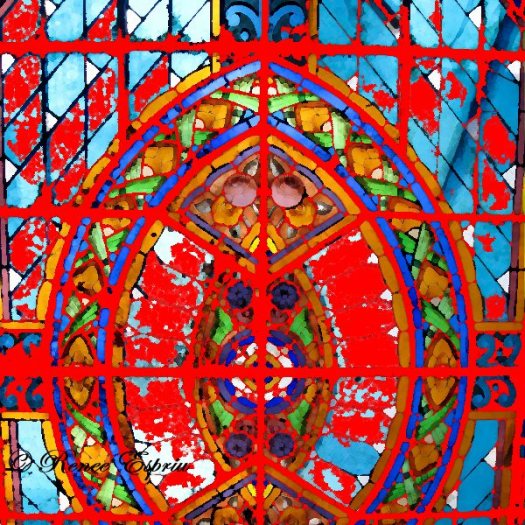
This is in response to Jamie Dedes’s Wednesday Prompt. You can see other poet’s responses at https://jamiededes.com/2017/08/16/a-puppet-dancing-in-the-dark-a-poem-and-your-wednesday-writing-prompt. The photo below was taken from the Morgue File and digitally altered by myself.

Stained Glass Window


***Dreaming of Children***

A landscape of memory littered
with pieces of dreams
children that once lived
once laughed
oft times schemed

she sees a house abandoned now
ought times with love filled
each & every birth an
auspicious moment still
& each year

she knows she has been gifted
that any tears shed
were merely a bridge
between yesterdays
& tomorrows albeit

as other mothers cry oceans
of salt filled tears
for children that lived once
without fear in loving arms
with kisses, soft still

their auspicious moment shattered
a broken memory like
shards of glass
now buried descending deep
earth’s grief surpassed

whose sorrow cannot rebuild
houses in ashes smoldering
whose dreams
hold ghostly remnants
pale & fading

where a timeless epitaph remains
of young lives interrupted
photos tinged yellow
touched by death
a noxious poison

thinking of this she turns pages
a book of photographs old
& knows dreams
will still be her comfort
will still unfold

that some mother’s dreaming will
become a vile nightmare
an interloper in sun rays
unwanted slumber
empty days

© April 2017 Renee Espriu

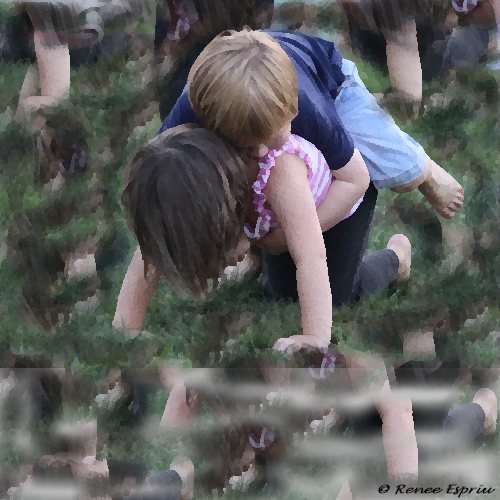
I am a little late to post this on my site. It was first posted in the Bezine last month. You can read more of some wonderfully written poems and other posts at https://thebezine.com/project-type/the-bezine-april-2017-vol-3-issue-7. The photo below was taken from the Morgue File & Digitized by myself.

Dreaming Children

***THE LOST LOOKING-GLASS***

the mistress looks in vain
for the lost looking-glass
the raindrops sounding
like a musical note chorus

water pooling left by the rain
mirrored images reflecting
the lights, the buildings,
of people passing & looking

a girl sees images in the pooling rain
takes it for a looking-glass
studies her reflection there
bewildered but on she passes

the looking-glass rain pooling
images distorted & broken
glisten like shards of glass
as raindrop words are spoken

the mistress looks in vain
for the lost looking-glass
the raindrops still sounding
like a musical note chorus

© December 2014
Renee Espriu

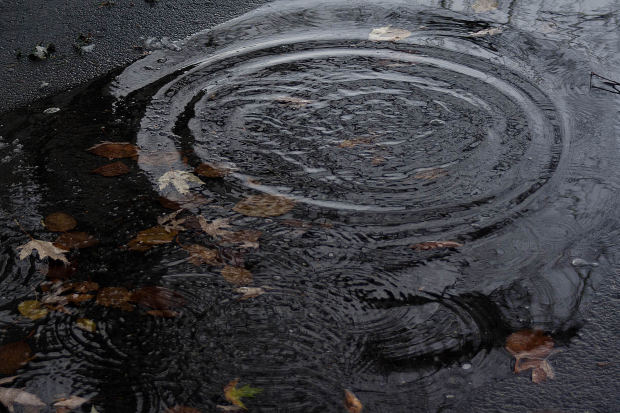
Image Taken From Morgue File

Mirror in the Rain

Catching Particles

Catching Particles

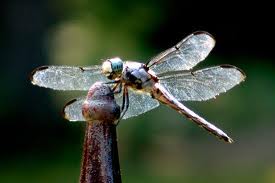
Google Image


splintered wood from
a lightning struck tree
catching particles
of afternoon sun

like reflections
of another self
transformed in
Alice’s looking-glass

catching particles
of colored prisms
the waterfall dances
over time’s precipice

& the dragonfly is seen
catching particles
of each ray of sun
season of summer done

© September 2013
Renee Espriu

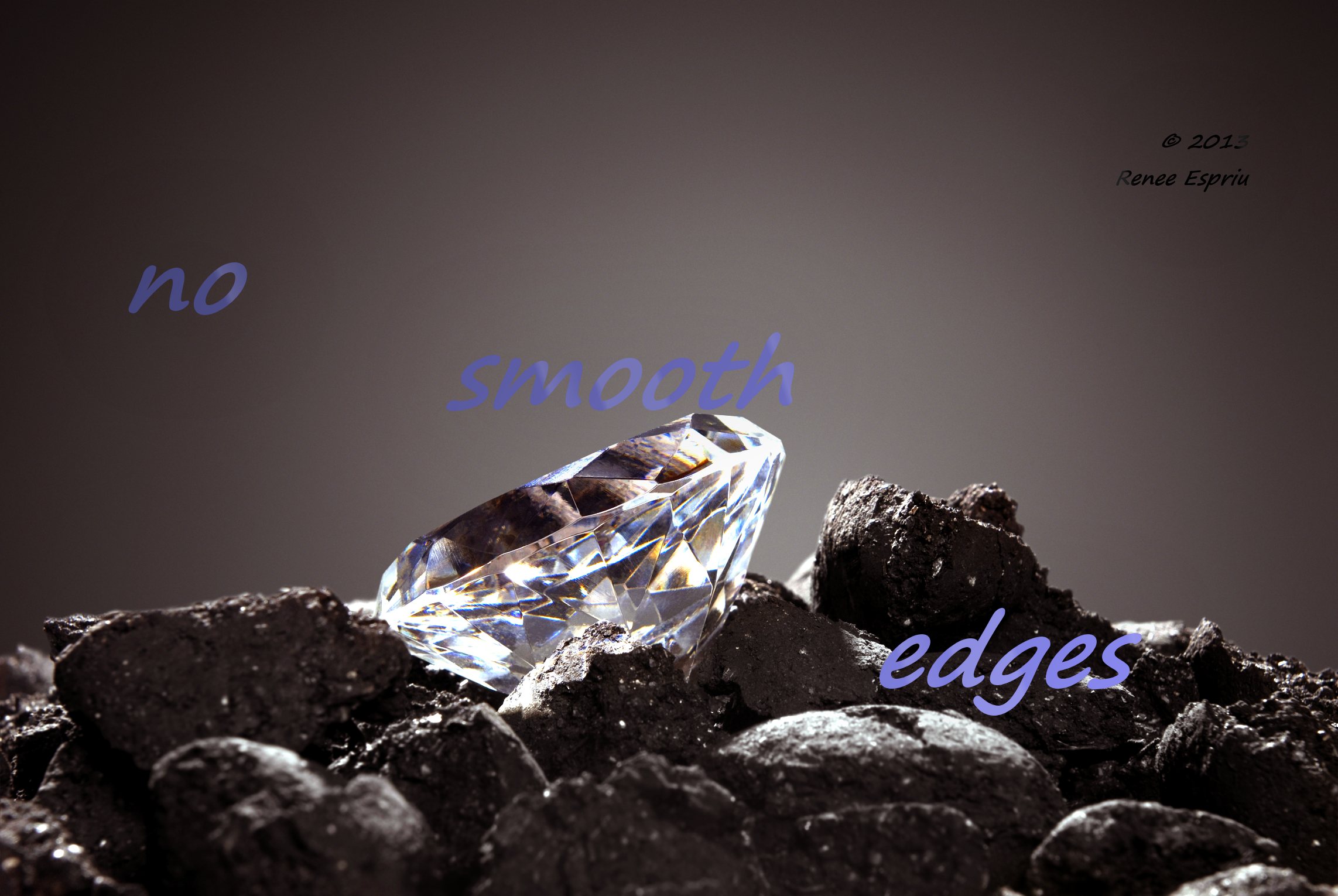
No Smooth Edges

Smooth Edges

Altered Google Image

vestiges of what can’t be seen
as you try to catch a glimpse
in the filtered sunlight
that catches particles of dust

of the fragments, pieces of
what you were like
not so long ago
like torn pages of a book

a bitter pill to swallow this
thing called change
this thing called
age

is always hard like diamonds
jagged edges before they are
polished smooth they scrape
your knees, making your
hands raw

for life has no smooth edges
and even glass shatters
when broken like
the remnants of a lifetime

will matter to no one but you
and as the sun drops
beneath the horizon
the glass darkens
as you try to catch a glimpse

© April 2013 Renee Espriu

http://dversepoets.com/category/openlinknight/

Past Measure

plaintive musings of
heat radiating
from the rafters
we contemplate
a moment after

but continue on in
search of the
perfect treasure
every one someone’s
past measure

old photographs in
sepia tones
a baby doll of
porcelin, clothes
yellowed and torn

coal shuttle boxes
now retired
carnival glass
pottery dinnerware
long since fired

a day of retreating
back in time
touching other’s
lives simpler then
in lines of rhyme

© July 2012
Renee Espriu

Broken Colored Glass

she sits looking out her
bedroom window trying
to remember
WHEN!
when did everything
come apart…begin
to DISINTEGRATE

perpendicular this life
with that other
universe
where others
remember
WHEN!
parallel lives

opening up inside her
shattered mind
yesterday it was
all CLEAR!
her four walls
like everyone else’s
painted beautiful

portraits of children
on walls to
recount memories
times of laughter
now fading
becoming something
WHEN!

reminiscent becomes
faltering steps
eager to see a
likeness that
goes with a name
CLEAR! as
crystal

unlike the clouded
looking-glass
where someone else
appears before
her eyes
WHEN!
disguising features

thought she knew
them another
time apart from the
kaleidoscope
broken colored glass
she knows now
WHEN!

will become as distant
as the broken pieces
of her mind
a heart no longer
disturbed as
there will be
nothing to remember

WHEN……

© June 2012 Renee Espriu

I have met so many people in my life with either a mental illness or simply a break down of the mind’s capacity to remember. My aunt, now many years gone, was a fun loving, intelligent woman who for years ran my uncle’s business and whose memory in later years vanished with the onset of Alzheimer’s.  This once very independent woman, who did so much for others, ultimately went to my cousin’s to live so she could have someone take care of her in her decline.  I was not privy to these difficult years, in which she lost touch with her reality, but often wonder how it must be and how very close we all could be to such a reality such as her life became.

Mellow Yellow Monday

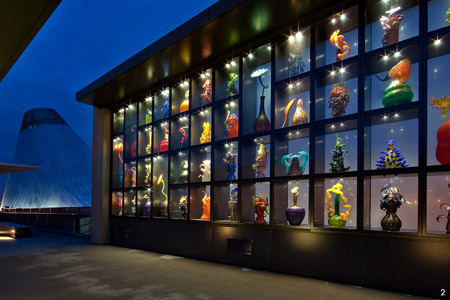
This week I decided to find a photo of what is surely the most famous of glass artists and he began right here in Tacoma, where I live. He is Dale Chihuly and the photo below was taken of the walkway that has his blown glass art displayed for you to see as you walk toward the Museum of Glass. Enjoy!

Photo taken by Mahesh Thaper

Small Stone: Glass Beads

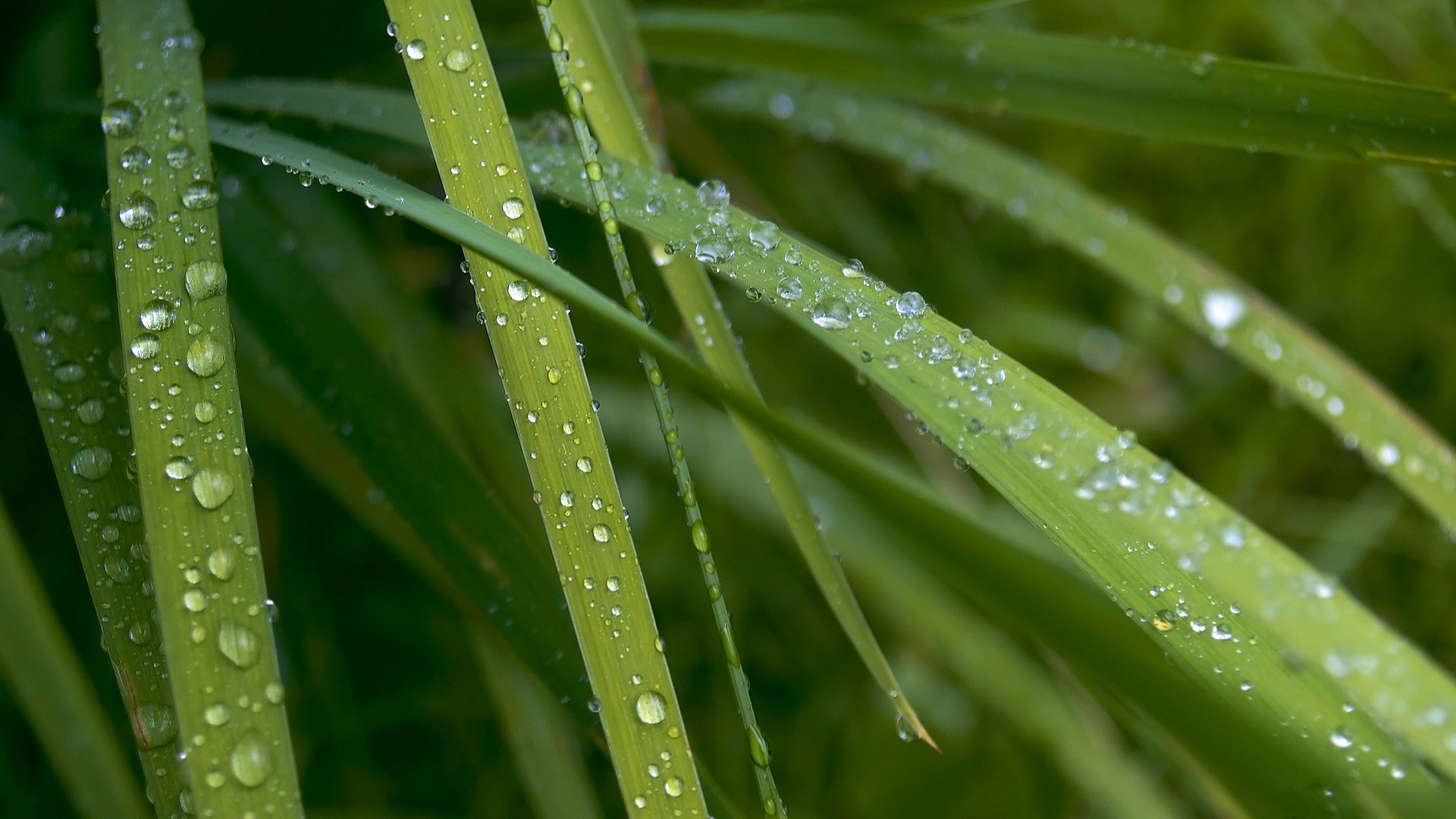
Tiny droplets of water      
like fragile glass beads
settling on blades of
grass pure life giving
sustaining a future

© January 2012
Renee Espriu

This is my submission for January 9, 2012 Small Stones on Writing Our Way Home at http://writingourwayhome.ning.com

Shards of Rainbow Glass

Carefully placed
kaleidoscope
close to her eye
slowly turning
viewing colored,
broken shards
glass that forms
patterns
that she tries to
capture
each one a distant
meaning
in her memory

Beginning to turn
ever faster
cylinder
grasped gently
pieces of
rainbow colors
hinged
collide to try
connecting
bringing emotions
joyous sapphire
touching
crimson anger

The world fades
disconnected
pulling her along
whirlwind confusion
tied to wonderment
jagged edges
glass threatening
images retract
imploding
telescoping then
she’s gone
kaleidoscope
remaining

© November 2011 Renee Espriu

Thought I would give you some information on the history of the kaleidoscope, which I absolutely love and have a few of them, myself. Hope you enjoy!

Kaleidoscope

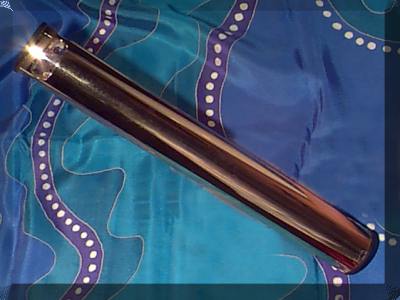
A kaleidoscope is a circle of mirrors containing loose, colored objects such as beads or pebbles and bits of glass. As the viewer looks into one end, light entering the other end creates a colorful pattern, due to the reflection off the mirrors. Coined in 1817 by Scottish inventor Sir David Brewster,[1] the word “kaleidoscope” is derived from the Ancient Greek καλ(ός) (beauty, beautiful), είδο(Ï‚) (form, shape) and -σκόπιο (tool for examination)—hence “observer of beautiful forms.” [2]

Design

Kaleidoscopes operate on the principle of multiple reflection, where several mirrors are attached together. Typically there are three rectangular lengthwise mirrors. Setting the mirrors at a 45-degree angle creates eight duplicate images of the objects, six at 60°, and two at 90°. As the tube is rotated, the tumbling of the coloured objects presents the viewer with varying colours and patterns. Any arbitrary pattern of objects shows up as a beautiful symmetrical pattern created by the reflections in the mirrors. A two-mirror model yields a pattern or patterns isolated against a solid black background, while a three-mirror (closed triangle) model yields a pattern that fills the entire field.

For a 2D-symmetry group, a kaleidoscopic point is a point of intersection of two or more lines of reflection symmetry. In a discrete group, the angle between consecutive lines is 180°/n for an integer n≥2. At this point there are n lines of reflection symmetry, and the point is a center of n-fold rotational symmetry. See also symmetry combinations.

Modern kaleidoscopes are made with brass tubes, stained glass, wood, steel, gourds and almost any other material an artist can sculpt or manipulate. The part of the kaleidoscope containing objects to be viewed is the ‘object chamber’ or ‘object cell’. Object cells may contain almost any material. Sometimes the object cell is filled with liquid so the items float and move through the object cell with slight movement from the person viewing.

History

Patterns as seen through a kaleidoscope tube
Sir David Brewster began work leading towards invention of the kaleidoscope in 1815 when he was conducting experiments on light polarization[1] but it was not patented until two years later.[3] His initial design was a tube with pairs of mirrors at one end, pairs of translucent disks at the other, and beads between the two. Brewster chose renowned achromatic lens developer Philip Carpenter as the sole manufacturer of the kaleidoscope in 1817. It proved to be a massive success with two hundred thousand kaleidoscopes sold in London and Paris in just three months. Realising that the company could not meet this level of demand Brewster requested permission from Carpenter on 17 May 1818 for the device to be made by other manufacturers, to which he agreed.[4] Initially intended as a science tool, the kaleidoscope was later copied as a toy. Brewster later believed he would make money from this popular invention; however, a fault in his patent application allowed others to copy his invention.[1]

Cozy Baker (d. October 19, 2010)—founder of The Brewster Kaleidoscope Society—collected kaleidoscopes and wrote books about a few of the artists making them in the 1970s through 2000. Baker is credited with energizing a renaissance in kaleidoscope-making in America. In 1999 a short-lived magazine dedicated to kaleidoscopes—Kaleidoscope Review—was published, covering artists, collectors, dealers, events, and including how-to articles. This magazine was created and edited by Brett Bensley, at that time a well-known kaleidoscope artist and resource on kaleidoscope information.

Craft galleries often carry a few kaleidoscopes, while other enterprises specialize in them, carrying dozens of different types from different artists and craftspeople.