 Costumed children roaming the streets
going door to door requesting treats
reminiscent of another time, ancient
days warding off evil not child’s play
Pumpkins sit on front porch steps and
scarecrows stand guard in seasonal best
memory of a time when harvest began
storing for winter, home fires burning
People gather at parties to celebrate
leaves blown ’round the night awaits
return to a time the holiday began a
feast to honor all saints now at hand
Hallows Eve and Saints Day observed
now Halloween embraced not absurd
down through the centuries as customs
do now present day to celebrate anew
© October 2011 Renee Espriu
The Fantasy and Folklore of All Hallows
Jack Santino
Halloween had its beginnings in an ancient, pre-Christian Celtic festival of the dead. The Celtic peoples, who were once found all over Europe, divided the year by four major holidays. According to their calendar, the year began on a day corresponding to November 1st on our present calendar. The date marked the beginning of winter. Since they were pastoral people, it was a time when cattle and sheep had to be moved to closer pastures and all livestock had to be secured for the winter months. Crops were harvested and stored. The date marked both an ending and a beginning in an eternal cycle.
The festival observed at this time was called Samhain (pronounced Sah-ween). It was the biggest and most significant holiday of the Celtic year. The Celts believed that at the time of Samhain, more so than any other time of the year, the ghosts of the dead were able to mingle with the living, because at Samhain the souls of those who had died during the year traveled into the otherworld. People gathered to sacrifice animals, fruits, and vegetables. They also lit bonfires in honor of the dead, to aid them on their journey, and to keep them away from the living. On that day all manner of beings were abroad: ghosts, fairies, and demons–all part of the dark and dread.
Samhain became the Halloween we are familiar with when Christian missionaries attempted to change the religious practices of the Celtic people. In the early centuries of the first millennium A.D., before missionaries such as St. Patrick and St. Columcille converted them to Christianity, the Celts practiced an elaborate religion through their priestly caste, the Druids, who were priests, poets, scientists and scholars all at once. As religious leaders, ritual specialists, and bearers of learning, the Druids were not unlike the very missionaries and monks who were to Christianize their people and brand them evil devil worshippers.
As a result of their efforts to wipe out “pagan” holidays, such as Samhain, the Christians succeeded in effecting major transformations in it. In 601 A.D. Pope Gregory the First issued a now famous edict to his missionaries concerning the native beliefs and customs of the peoples he hoped to convert. Rather than try to obliterate native peoples’ customs and beliefs, the pope instructed his missionaries to use them: if a group of people worshipped a tree, rather than cut it down, he advised them to consecrate it to Christ and allow its continued worship.
In terms of spreading Christianity, this was a brilliant concept and it became a basic approach used in Catholic missionary work. Church holy days were purposely set to coincide with native holy days. Christmas, for instance, was assigned the arbitrary date of December 25th because it corresponded with the mid-winter celebration of many peoples. Likewise, St. John’s Day was set on the summer solstice.
Samhain, with its emphasis on the supernatural, was decidedly pagan. While missionaries identified their holy days with those observed by the Celts, they branded the earlier religion’s supernatural deities as evil, and associated them with the devil. As representatives of the rival religion, Druids were considered evil worshippers of devilish or demonic gods and spirits. The Celtic underworld inevitably became identified with the Christian Hell.
The effects of this policy were to diminish but not totally eradicate the beliefs in the traditional gods. Celtic belief in supernatural creatures persisted, while the church made deliberate attempts to define them as being not merely dangerous, but malicious. Followers of the old religion went into hiding and were branded as witches.
The Christian feast of All Saints was assigned to November 1st. The day honored every Christian saint, especially those that did not otherwise have a special day devoted to them. This feast day was meant to substitute for Samhain, to draw the devotion of the Celtic peoples, and, finally, to replace it forever. That did not happen, but the traditional Celtic deities diminished in status, becoming fairies or leprechauns of more recent traditions.
The old beliefs associated with Samhain never died out entirely. The powerful symbolism of the traveling dead was too strong, and perhaps too basic to the human psyche, to be satisfied with the new, more abstract Catholic feast honoring saints. Recognizing that something that would subsume the original energy of Samhain was necessary, the church tried again to supplant it with a Christian feast day in the 9th century. This time it established November 2nd as All Souls Day–a day when the living prayed for the souls of all the dead. But, once again, the practice of retaining traditional customs while attempting to redefine them had a sustaining effect: the traditional beliefs and customs lived on, in new guises.
All Saints Day, otherwise known as All Hallows (hallowed means sanctified or holy), continued the ancient Celtic traditions. The evening prior to the day was the time of the most intense activity, both human and supernatural. People continued to celebrate All Hallows Eve as a time of the wandering dead, but the supernatural beings were now thought to be evil. The folk continued to propitiate those spirits (and their masked impersonators) by setting out gifts of food and drink. Subsequently, All Hallows Eve became Hallow Evening, which became Hallowe’en–an ancient Celtic, pre-Christian New Year’s Day in contemporary dress.
Many supernatural creatures became associated with All Hallows. In Ireland fairies were numbered among the legendary creatures who roamed on Halloween. An old folk ballad called “Allison Gross” tells the story of how the fairy queen saved a man from a witch’s spell on Halloween.
O Allison Gross, that lives in yon tower
the ugliest witch int he North Country…
She’s turned me into an ugly worm
and gard me toddle around a tree…
But as it fell out last Hallow even
When the seely [fairy] court was riding by,
the Queen lighted down on a gowany bank
Not far from the tree where I wont to lie…
She’s change me again to my own proper shape
And I no more toddle about the tree.
In old England cakes were made for the wandering souls, and people went “a’ soulin'” for these “soul cakes.” Halloween, a time of magic, also became a day of divination, with a host of magical beliefs: for instance, if persons hold a mirror on Halloween and walk backwards down the stairs to the basement, the face that appears in the mirror will be their next lover.
Virtually all present Halloween traditions can be traced to the ancient Celtic day of the dead. Halloween is a holiday of many mysterious customs, but each one has a history, or at least a story behind it. The wearing of costumes, for instance, and roaming from door to door demanding treats can be traced to the Celtic period and the first few centuries of the Christian era, when it was thought that the souls of the dead were out and around, along with fairies, witches, and demons. Offerings of food and drink were left out to placate them. As the centuries wore on, people began dressing like these dreadful creatures, performing antics in exchange for food and drink. This practice is called mumming, from which the practice of trick-or-treating evolved. To this day, witches, ghosts, and skeleton figures of the dead are among the favorite disguises. Halloween also retains some features that harken back to the original harvest holiday of Samhain, such as the customs of bobbing for apples and carving vegetables, as well as the fruits, nuts, and spices cider associated with the day.
Today Halloween is becoming once again and adult holiday or masquerade, like mardi Gras. Men and women in every disguise imaginable are taking to the streets of big American cities and parading past grinningly carved, candlelit jack o’lanterns, re- enacting customs with a lengthy pedigree. Their masked antics challenge, mock, tease, and appease the dread forces of the night, of the soul, and of the otherworld that becomes our world on this night of reversible possibilities, inverted roles, and transcendency. In so doing, they are reaffirming death and its place as a part of life in an exhilarating celebration of a holy and magic evening.
September 1982
You can find this story and more on the site The American Folklife Center at the Library of Congress. Type it into your browser and you can go there to learn about any number of things you might have questions on.

 Take flight with me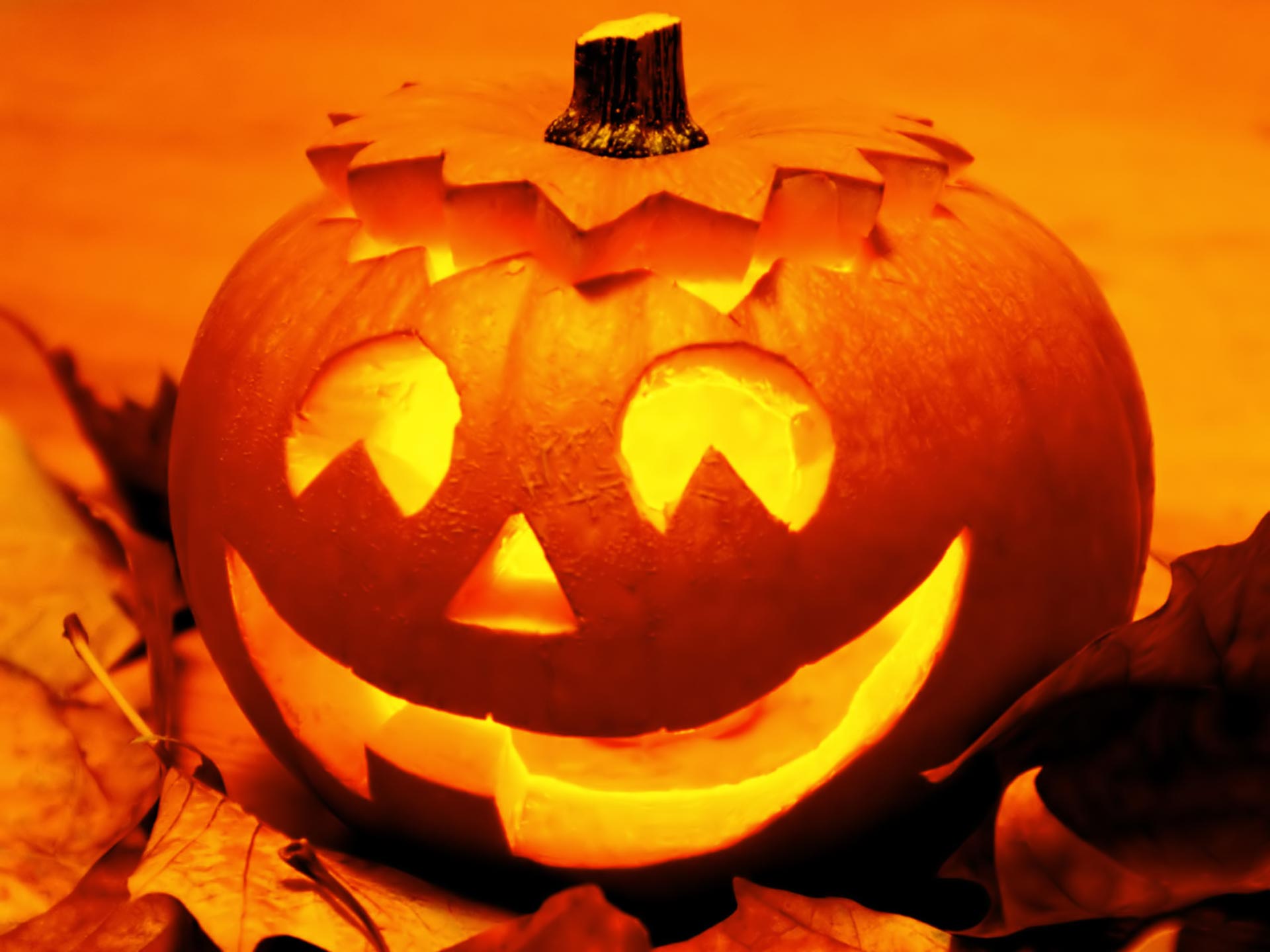



 reneejustturtleflight.com